Why Mountain Living Can Be Tough on Your Pipes
Living in Woodland Park, CO 80863 offers incredible views and a unique mountain lifestyle. However, our high elevation brings specific challenges, especially for your home’s plumbing. The combination of freezing temperatures, changing soil conditions, and lower atmospheric pressure can put extra stress on your water and drain lines. Understanding these factors is the first step to preventing unexpected leaks, clogs, and costly repairs. It’s a part of mountain homeownership that often gets overlooked until there’s a problem.
Ignoring the subtle signs of plumbing strain can lead to serious issues, from slow drains that become complete blockages to frozen pipes that burst and cause major water damage. That’s why being proactive is so important. Knowing what causes these problems helps you protect your investment and maintain a safe, comfortable home. This guide will walk you through the common high-altitude plumbing issues and explain how you can keep your system running smoothly year-round, avoiding a sudden need for emergency help.
How Altitude and Cold Weather Impact Your Plumbing
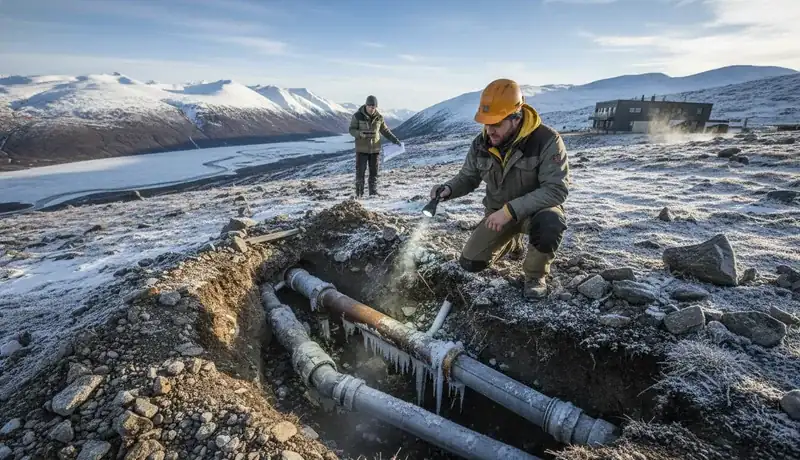
The biggest challenge for plumbing in high-elevation areas is the cold. When the ground freezes and thaws, it shifts. This movement, known as frost heave, can put immense pressure on underground water and sewer lines, potentially causing them to crack or disconnect. Inside your home, pipes in unheated spaces like crawlspaces, basements, or exterior walls are at high risk of freezing. Water expands when it freezes, which can easily rupture a pipe. Furthermore, lower atmospheric pressure at our altitude can affect how appliances like water heaters function, sometimes causing them to work harder and wear out faster. These combined environmental factors create a unique set of risks that standard plumbing systems aren't always prepared to handle without proper maintenance and care. As a result, homeowners here face a different reality than those at sea level.
Practical Ways to Protect Your Home's Pipes
You can take several simple steps to prevent common high-altitude plumbing problems. First, insulate any exposed pipes in your crawlspace, basement, or garage. Foam pipe sleeves are inexpensive and easy to install. Before the first freeze, always disconnect, drain, and store your outdoor garden hoses. During severe cold snaps, let a small trickle of cold water run from a faucet; moving water is much harder to freeze. It's also wise to know the location of your home's main water shut-off valve. In case a pipe does burst, shutting off the water quickly can save you from catastrophic damage. For example, if you leave for a winter vacation, consider shutting off the main water supply and draining your pipes as an extra precaution. These small habits can make a huge difference in preventing a plumbing emergency.
When a Plumbing Problem Needs an Expert
While DIY prevention is great, some situations require professional help. If you notice recurring clogs, gurgling drains, or a sudden drop in water pressure throughout your home, it’s time to call a professional. These can be symptoms of a bigger issue in your main line. Similarly, any signs of a water leak, like damp spots on walls or a musty smell, should be addressed immediately. Trying to fix a major clog or a hidden leak yourself can often make the problem worse. When a pipe bursts or your sewer line backs up, you need fast and effective help. That’s when you should search for reliable **emergency plumbing services in Woodland Park CO 80863**. A licensed plumber has the tools and expertise to diagnose the problem correctly and perform a safe, lasting repair. Expert Plumbing Pro can handle these complex situations.
Your Trusted Partner for Woodland Park Plumbing
At Expert Plumbing Pro, we're not just plumbers; we're your neighbors in Woodland Park, CO 80863. We understand the specific challenges our mountain environment poses to your plumbing system because we live and work here too. Our team has extensive experience dealing with issues caused by freezing temperatures, soil movement, and high-altitude conditions. We are equipped to handle everything from preventative maintenance to urgent repairs. Our goal is to provide trustworthy service that gives you peace of mind. When you call us, you’re getting local experts who are committed to protecting your home and ensuring your plumbing runs perfectly, no matter what the mountain weather brings.
Frequently Asked Questions
Why do my drains seem to run slower in the winter?
Slower drains in winter can be a warning sign. While it could be a simple clog from grease or hair, it could also indicate the early stages of a pipe freezing. The cold can cause grease to solidify more easily and can also signal that your drain line is partially obstructed by ice. If you notice this happening, it’s best to get it checked out before it becomes a complete blockage or a burst pipe, especially in a high-elevation climate like ours.
Is a popping sound from my water heater normal?
A popping or rumbling noise from your water heater is usually caused by sediment buildup at the bottom of the tank. At high altitudes, water boils at a lower temperature, which can sometimes make this problem worse. The noise is from steam bubbles trapped by the sediment. This buildup reduces efficiency and can damage the tank over time. Having your water heater flushed regularly by a professional can solve this and extend its lifespan.
Keep Your Plumbing in Top Shape
Living in the beautiful mountains around Woodland Park, CO 80863 means being prepared for unique home maintenance challenges. By understanding how elevation and cold affect your pipes and taking simple preventative steps, you can avoid many common plumbing headaches. Remember to insulate pipes, manage outdoor faucets, and watch for warning signs like slow drains or low pressure. For problems that go beyond a simple fix, don't hesitate to reach out. If you need reliable plumbing support, contact the local experts at Expert Plumbing Pro for help.